How Large Language Models Are Transforming Everyday Tools and Apps
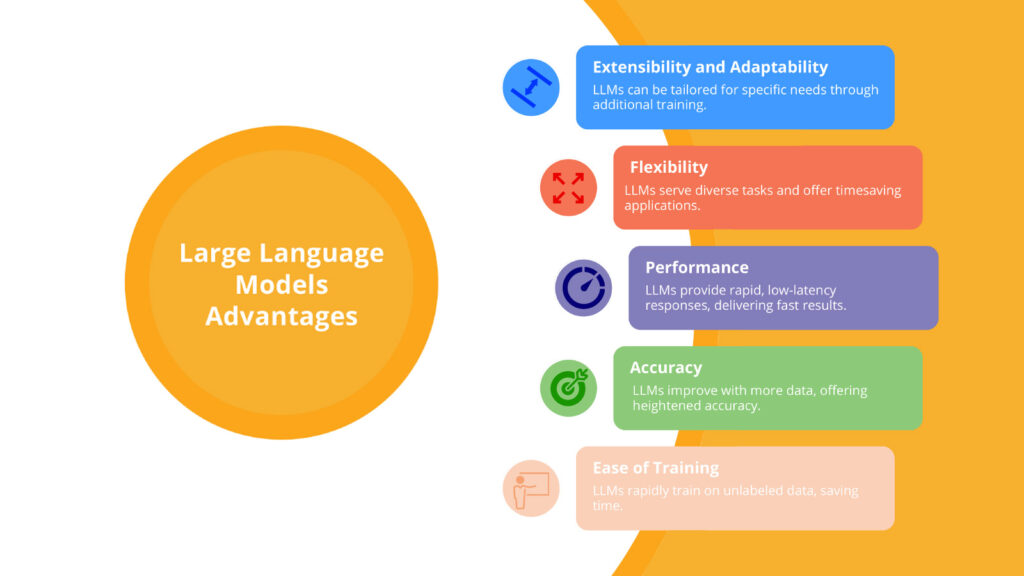
Artificial Intelligence (AI) has made incredible strides in the last few years, and at the heart of this revolution are Large Language Models (LLMs) such as OpenAI’s ChatGPT, Google’s Gemini, and Anthropic’s Claude. Once confined to research labs and high-end enterprise applications, LLMs are now embedded in tools and apps we use every day, quietly revolutionizing how we work, learn, and communicate.
AI in Everyday Productivity Tools
One of the most noticeable transformations is in productivity software. Microsoft has integrated OpenAI’s technology into Word, Excel, and Outlook through its Copilot tool. Now, users can generate documents, summarize meetings, and analyze data with simple text prompts. Google, on the other hand, is using Gemini to enhance Gmail and Google Docs, enabling smarter autocomplete, grammar correction, and content generation.
This integration not only saves time but also lowers the barrier for people who may not have strong writing or technical skills. Students, professionals, and entrepreneurs alike benefit from AI-generated suggestions and auto-corrections that boost their efficiency.
Smarter Customer Support
Companies are embedding LLMs into customer service platforms to handle everything from answering FAQs to processing returns. For example, e-commerce platforms like Shopify and Amazon use AI-powered bots that are capable of understanding complex queries and providing human-like responses. This means shorter wait times, 24/7 availability, and better overall user experience.
Personalized Learning and Tutoring
Education apps such as Duolingo and Khan Academy have incorporated LLMs to provide personalized learning paths, real-time explanations, and adaptive quizzes. These tools make education more interactive and accessible, especially for students who need extra help or those studying in remote locations.
Creative Content and Marketing
Content creation has seen a massive boost with tools like Jasper, Copy.ai, and Canva using LLMs to generate marketing copy, social media posts, and even entire blog articles. Marketers can now brainstorm campaign ideas, A/B test subject lines, and create high-quality content in a fraction of the time it used to take.
The Future of Embedded AI
As LLMs become more powerful and accessible, we can expect them to be integrated into even more apps — from voice assistants and search engines to finance platforms and healthcare tools. The transformation is not just about convenience but about making intelligent assistance ubiquitous and seamless.